
Automatic Tension Control
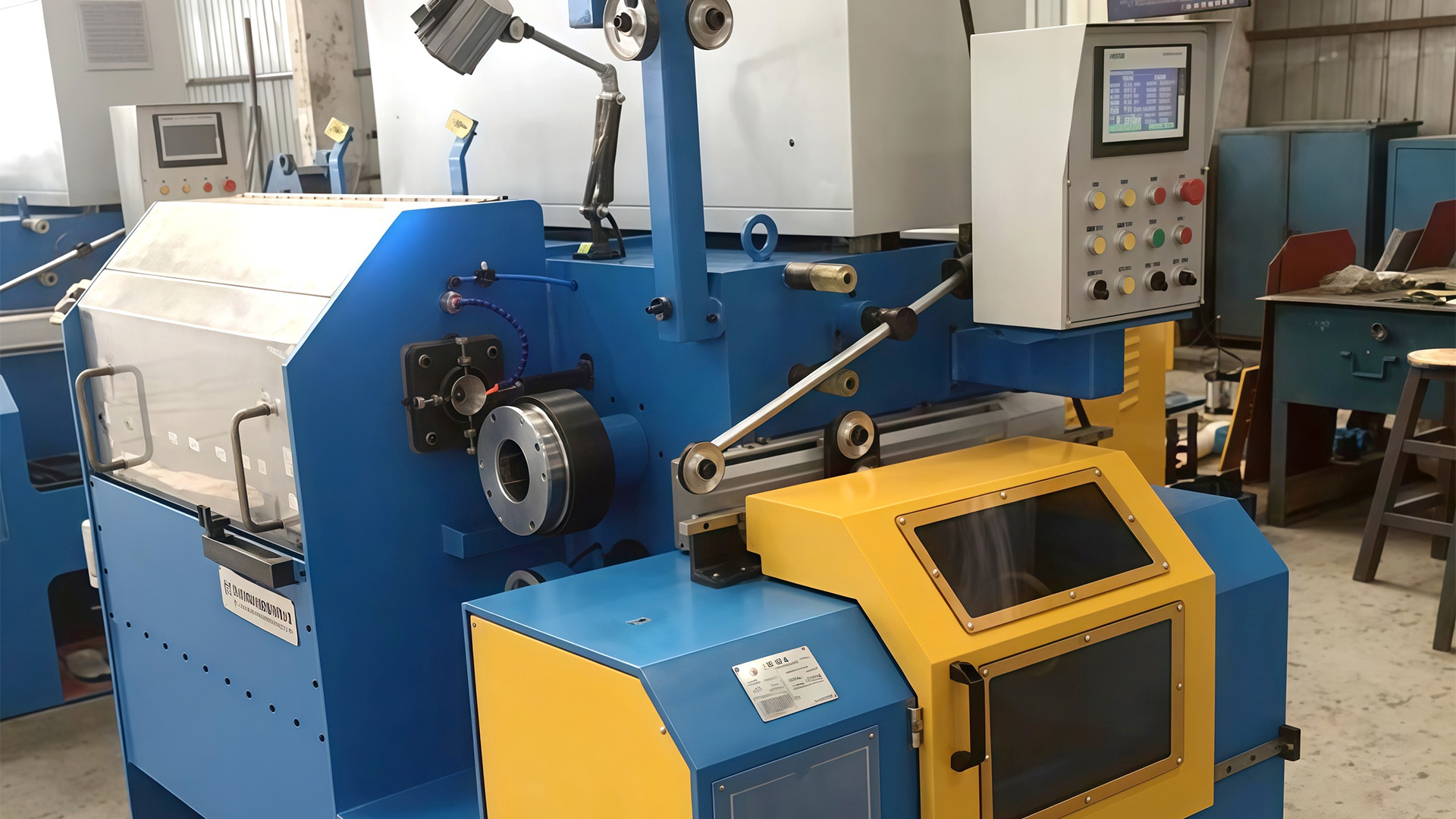
One of the most crucial features of Spool Take-up Machine is its automatic tension control system , which ensures that the correct amount of tension is applied to the material during the winding process, regardless of variations in material thickness or density. This system uses load cells or tension sensors to continuously monitor the tension exerted on the material as it is wound onto the spool. When the machine detects a change in the material’s thickness or density, the tension control system adjusts accordingly. For example, if the material is thicker or denser, the tension may be reduced to prevent over-tightening, which could lead to material stretching or breaking. Conversely, if the material becomes thinner or lighter, the system increases the tension to ensure the material is wound properly and securely. This ensures that every spool is wound uniformly, even when the material fluctuates in thickness, which is especially important for maintaining consistent product quality.
In essence, the automatic tension control helps optimize winding consistency by compensating for material variations in real-time, ensuring that the final wound spool has a high degree of uniformity and quality. It also prevents wastage and defects that may arise from inconsistent winding, such as material damage or misalignment, which could lead to costly production errors.
Tension Feedback and Closed-Loop Control
To ensure even greater precision and adaptability, many Spool Take-up Machines feature closed-loop control systems that utilize real-time feedback from the tension sensors throughout the winding process. The feedback mechanism allows the machine to make continuous adjustments to the winding parameters, such as the motor speed , spool speed , or braking mechanisms , based on the tension readings. If the material’s thickness changes, the closed-loop system instantly responds by altering the winding parameters to maintain the correct tension. For example, when thicker material passes through, the system might reduce motor speed to prevent over-tightening, or it might slow down the speed of the spool to reduce the force on the material. This real-time adjustment ensures that there are no sudden spikes in tension that could cause damage to either the machine or the material.
The use of closed-loop control significantly enhances the machine's ability to respond dynamically to changes in the material being wound. The system is highly sensitive to any variations in the material’s properties, ensuring that the tension remains optimal and consistent throughout the entire process. By adjusting the winding parameters in real-time , this system maximizes both the efficiency and quality of the winding operation, reducing the risk of defects like tangles, slack, or over-tightened spools.
Adjustable Tension Settings
While automatic tension control provides a high degree of precision, many Spool Take-up Machines also offer manual or programmable tension adjustments . This flexibility allows operators to fine-tune the tension according to the specific material they are working with. For example, a machine operator can adjust the tension settings to accommodate thicker or denser materials that require more pressure to ensure tight winding, or conversely, reduce the tension for more delicate or lighter materials that need to be wound more gently to prevent breakage or deformation.
By providing operators with the ability to set tension levels based on material specifications , the machine accommodates a wide variety of materials, from delicate threads to dense wire. This manual adjustment ensures that the machine remains versatile and can be adapted for different applications without requiring extensive downtime or recalibration. The ability to adjust tension manually offers operators greater control and can be particularly beneficial when working with non-standard materials or when there are sudden changes in the material's properties during the production run.
Speed Control and Synchronization
The Spool Take-up Machine also utilizes speed control systems to maintain synchronization between the material flow and the winding process. As the material passes through the machine, the speed of the spool and the material feed is adjusted to maintain consistent tension and ensure that the material is wound smoothly onto the spool. This is especially important when dealing with materials of varying thickness or density. For instance, when winding thicker or denser materials, the machine may reduce the speed to ensure that the material is wound securely without creating excess tension, which could cause damage. Conversely, for lighter or thinner materials, the speed can be increased to improve efficiency without losing control over the material.
By adjusting both the speed and the tension, the machine can optimize the winding process for any material. This ensures that speed variations due to material changes don’t affect the quality of the wound spool, and that materials with different characteristics are wound consistently and uniformly. The ability to synchronize winding speed with material properties not only improves the efficiency of the operation but also reduces the potential for defects, such as tangling or slack, which can negatively impact product quality.